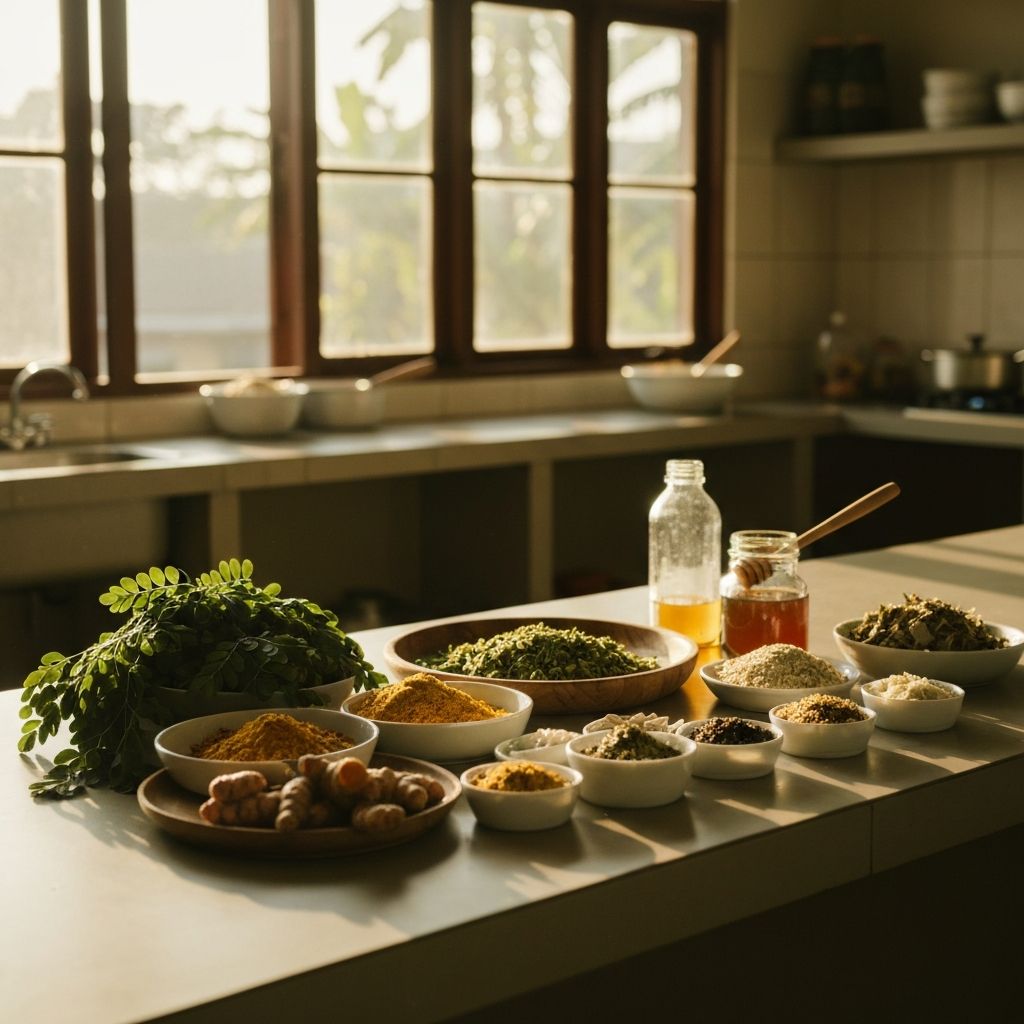
Halal-Certified Plant-Based Ingredients in Everyday Indonesian Nutrition
A knowledge collection exploring the role of natural plant sources in daily well-being practices across Indonesia's halal-certified food traditions.
Educational content only. No promises of outcomes.
Role of Natural Nutrients in General Daily Processes
Understanding Natural Nutrients in Plant Foods
Plant-derived nutrients play fundamental roles in normal human metabolic processes. Vitamins from the B-group (B1, B2, B3, B5, B12) and vitamin C support energy production and cellular function. Vitamin E acts as a natural antioxidant in routine bodily processes. Minerals such as magnesium, zinc, iron, and calcium participate in enzyme activity, protein synthesis, bone structure, and blood function—all aspects of typical physiological operation.
Phytochemicals naturally present in plants, including flavonoids and polyphenols, are compounds that exist in plant cells. These substances are studied for their presence in foods across traditional and contemporary nutrition contexts. The focus here is informational: understanding what nutrients naturally exist in halal-certified Indonesian plant sources and how they are traditionally incorporated into daily meals.
Content Notice: This section explains the general role of nutrients in normal metabolic processes. It does not constitute nutritional advice, medical guidance, or personalized recommendations. Individual dietary practices vary significantly from person to person.
Halal-Certified Food Sources in Indonesia
Indonesia offers diverse halal-certified plant-based sources rich in natural nutrients. Below is an informational overview of common ingredients and their approximate nutrient profiles based on general references.
Ingredient (Indonesian Name)
Key Nutrients (General Reference)
Traditional Halal Uses
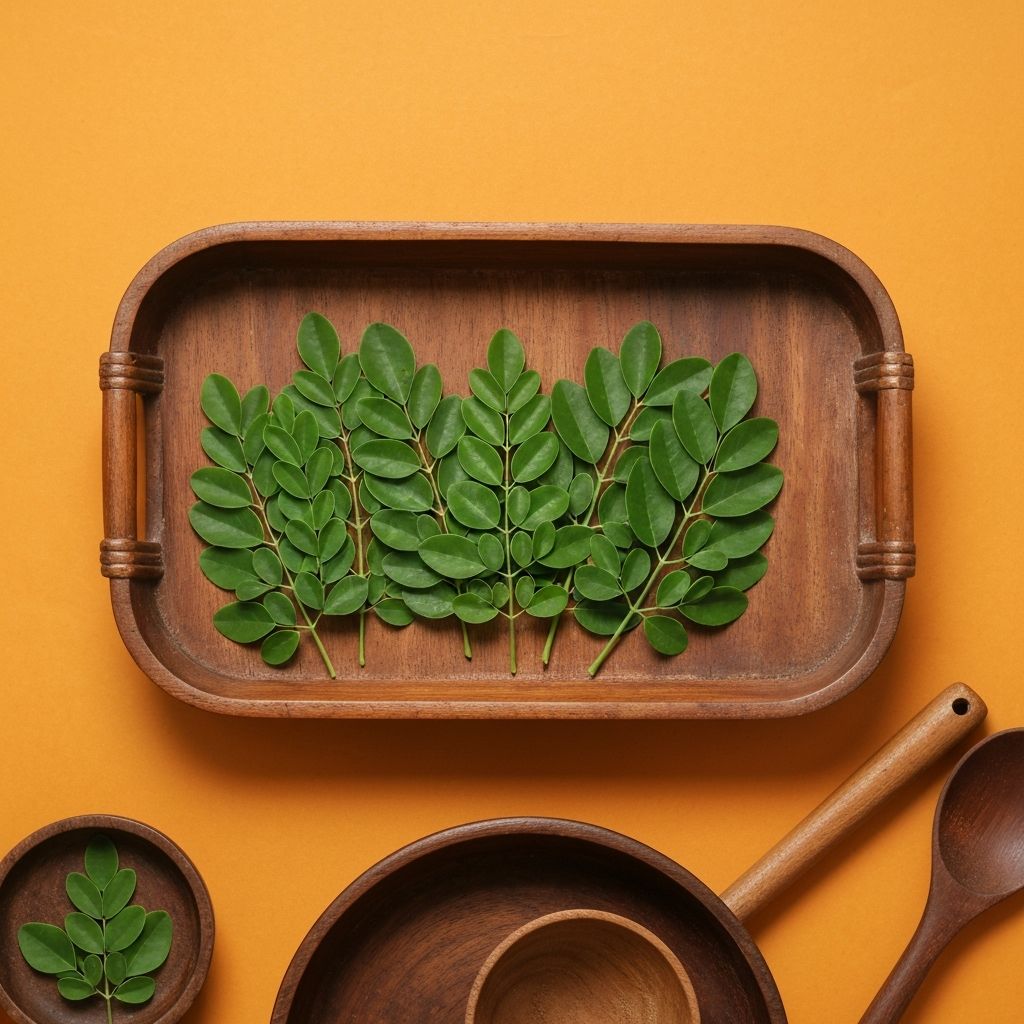
Moringa/Kelor
Vitamins A, C, E; Minerals: iron, calcium, magnesium; Polyphenols
Leaves in soups, traditional herbal drinks, spice blends
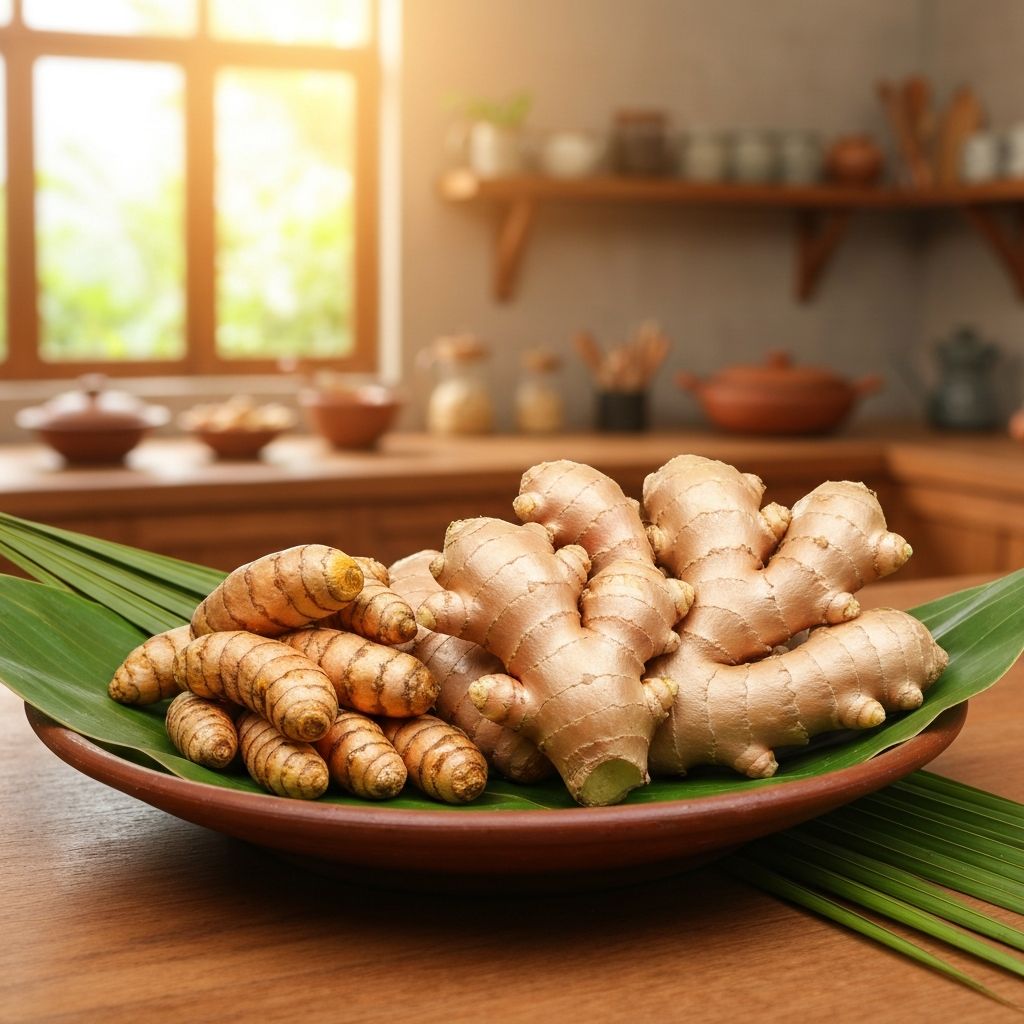
Turmeric/Kunyit
Curcuminoids, volatile oils; Minerals: manganese, iron
Snacks, ground in spice blends, additions to traditional dishes
Market Availability & Regional Context
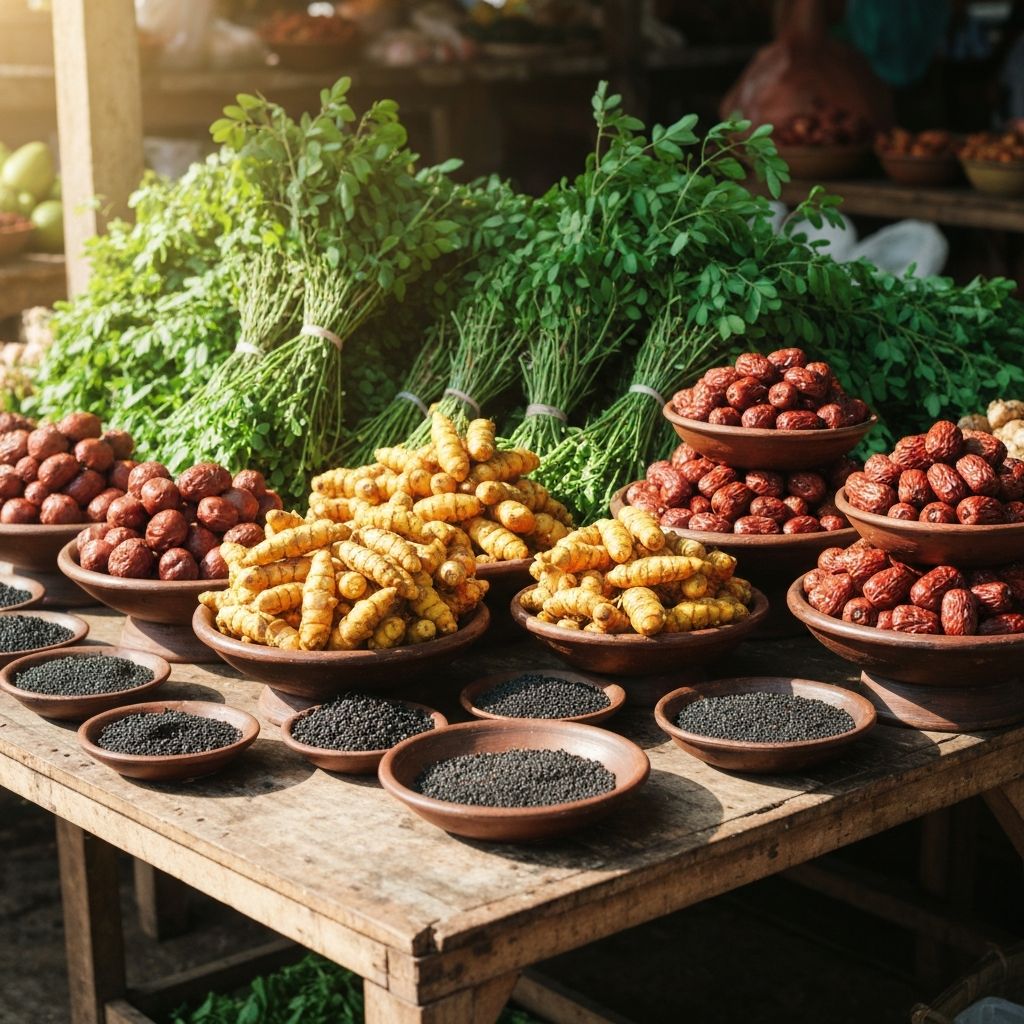
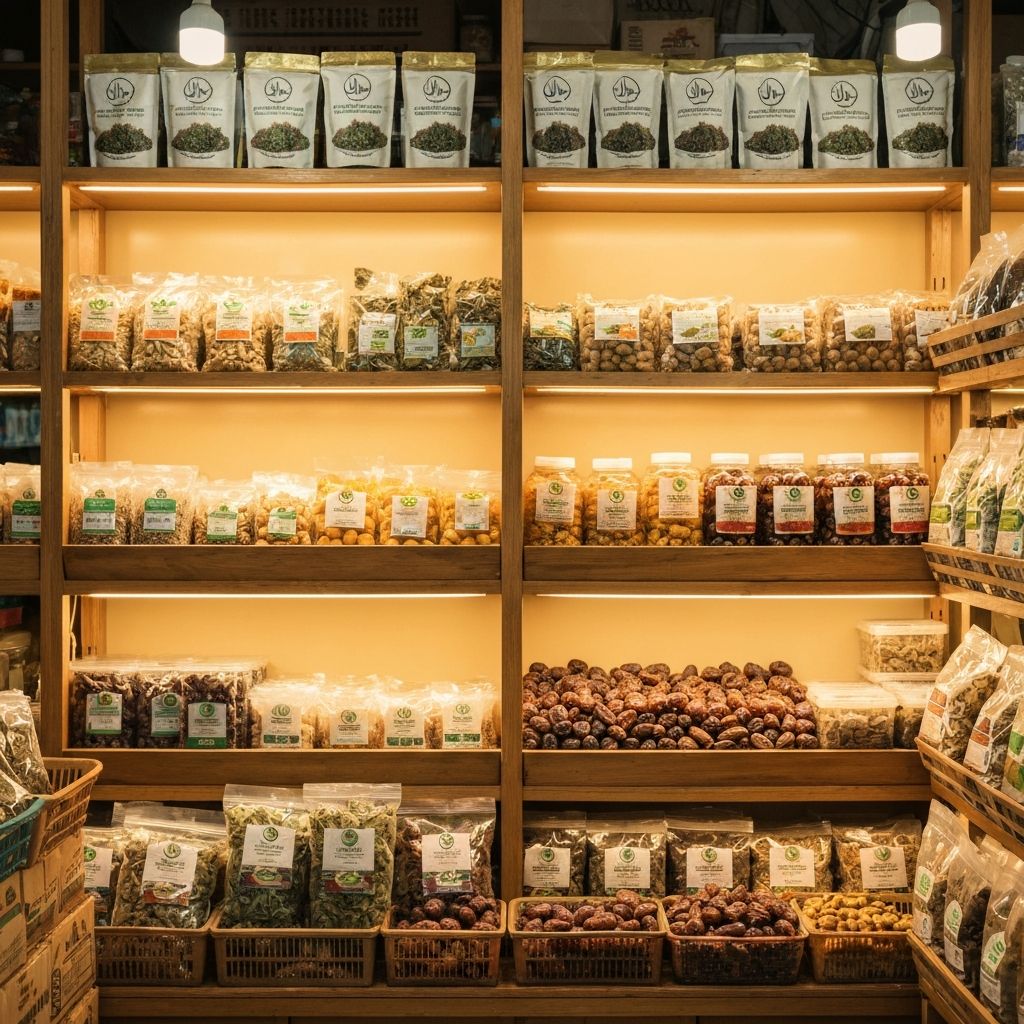
These halal-certified plant sources are widely available across Indonesian markets, both in urban centers and regional areas. Java, Sumatra, and Sulawesi have established supply chains for traditional ingredients. Many producers hold MUI (Majelis Ulama Indonesia) halal certification, ensuring compliance with Indonesian Islamic dietary standards. Seasonal variations affect availability—certain ingredients peak during specific harvest times, influencing local market supply and traditional meal planning patterns.
General Nutrient Profile Overview
The table above provides approximate nutrient levels based on general food composition references. These are informational only and represent typical nutrient content in raw or minimally processed forms. Actual nutrient density varies based on growing conditions, soil composition, harvest timing, and processing methods. This information is presented for educational understanding of what naturally exists in these foods—not as personalized nutritional guidance.
Educational Context: Nutrient levels shown are approximate references for learning purposes. Actual levels vary by source, season, and preparation method. This is informational content only.
Primary Halal-Certified Ingredient Groups
Three foundational ingredient categories represent the core of halal-certified plant-based nutrition in Indonesian daily practices.
Leafy Greens & Herbal Sources
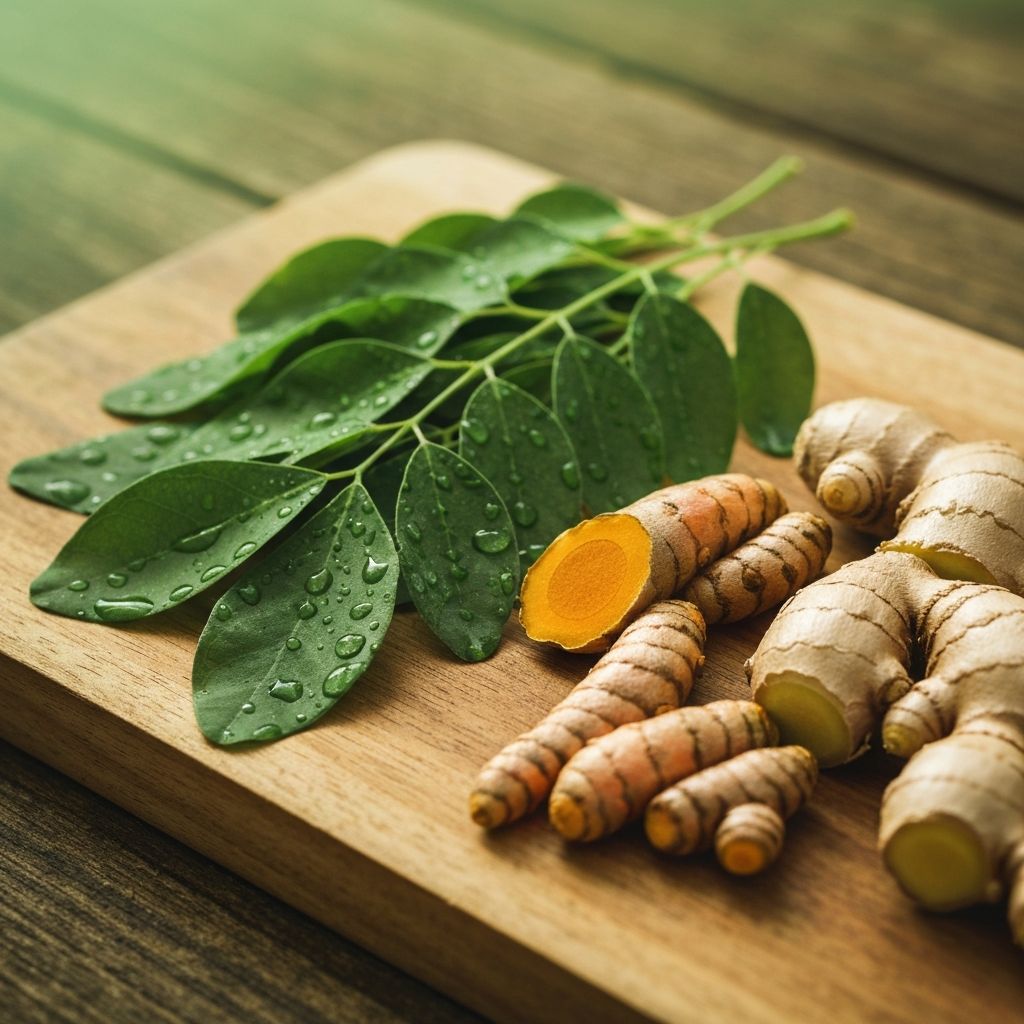
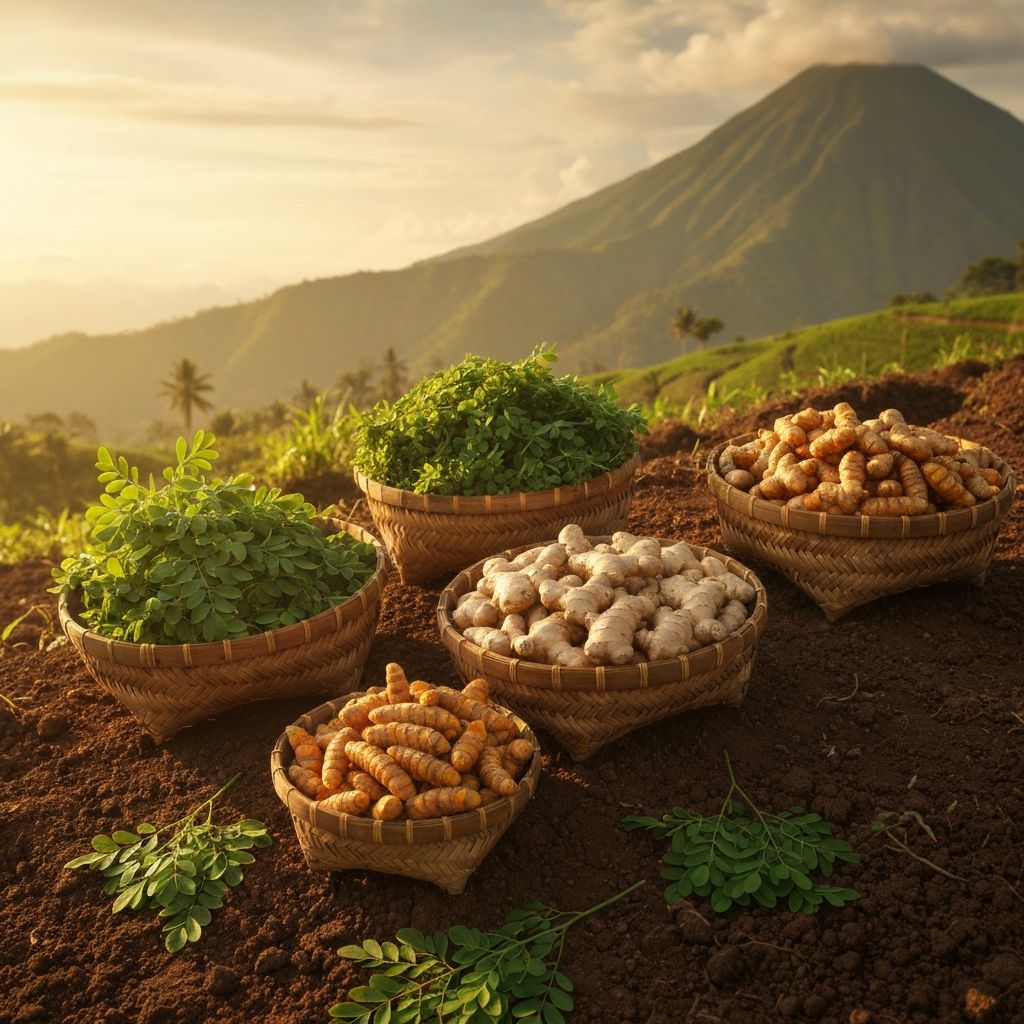
Primary: Moringa/Kelor — Moringa leaves represent one of Indonesia's most nutrient-dense plant sources, traditionally used fresh, dried, or brewed into infusions. Complementary sources include other traditional leafy greens prepared in soups and curries. These sources provide vitamins, minerals, and phytochemicals in everyday meal contexts.
Seasonal Note: Most abundant during wet seasons; year-round availability in dried or processed forms across certified suppliers.
Root & Rhizome Spices
Primary: Turmeric/Kunyit and Ginger/Jahe — These aromatic roots are foundational to Indonesian cooking, appearing in curries, rendang, sambals, and traditional herbal drinks. Turmeric's golden color and ginger's warming profile make them hallmarks of daily meal preparation. Both are halal-certified across major Indonesian producers.
Traditional Prep: Fresh or dried, ground into pastes, or steeped in hot water for herbal infusions like kunyit asam.
Seeds, Dates & Natural Sweeteners
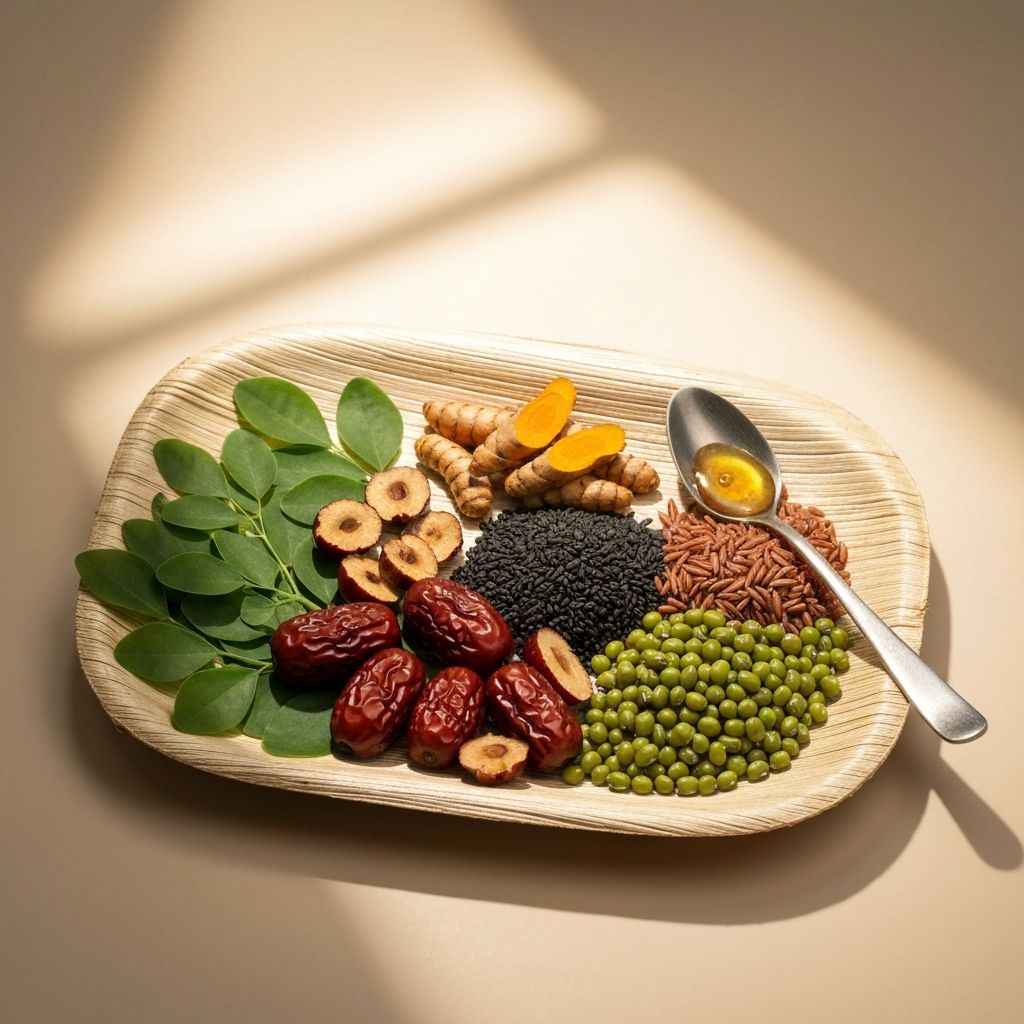
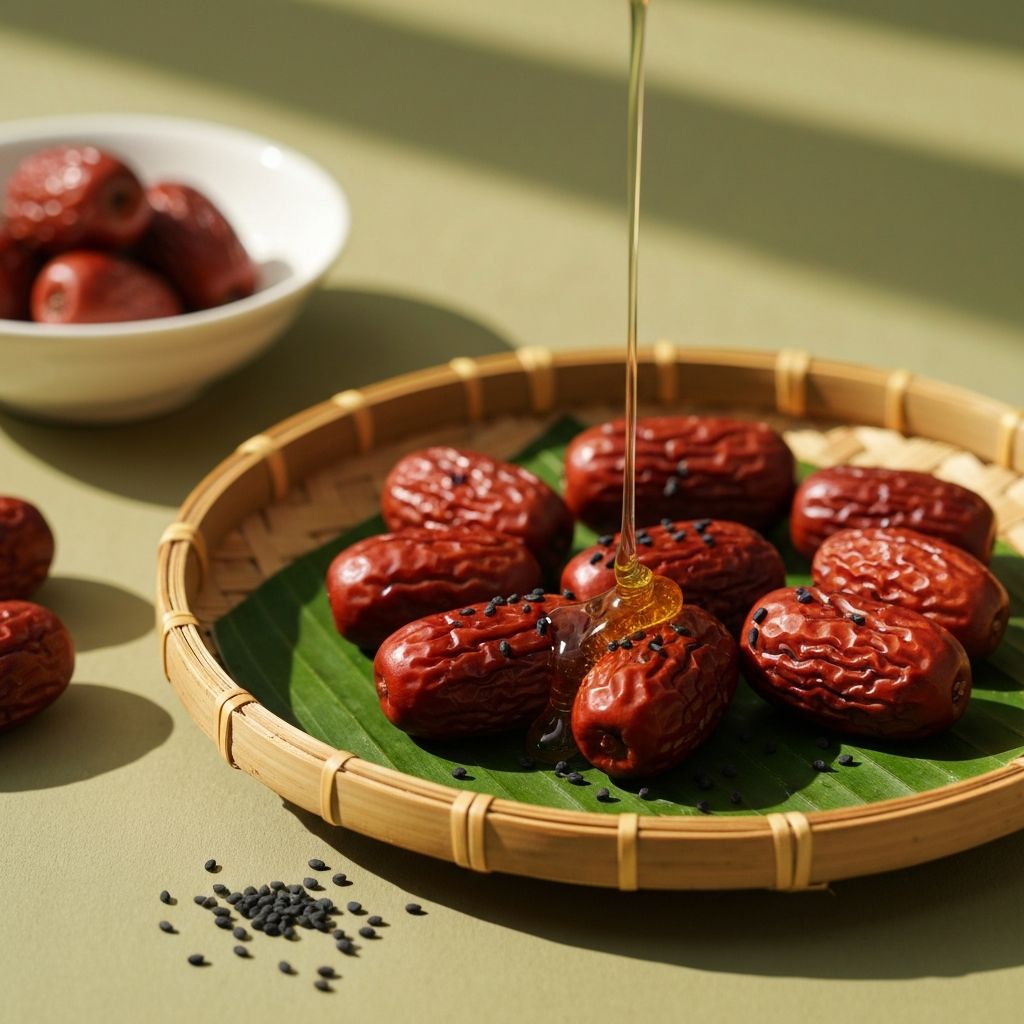
Primary: Dates/Kurma, Black Seed/Habbatussauda, Honey/Madu — Dates hold special significance in Islamic tradition and daily Indonesian nutrition, particularly during Ramadan. Black seed has long been incorporated into traditional wellness practices. Honey serves as natural sweetener in herbal preparations and traditional remedies.
Cultural Integration: Essential components of traditional halal meal patterns, nasi kebuli preparations, and herbal drink formulations.
Information Disclosure: These descriptions explain the traditional role and composition of ingredients. They are not recommendations for consumption or suggestions of health benefits. Individual responses and dietary suitability vary.
Traditional Halal Integration in Indonesian Meals
Plant-based halal-certified ingredients are traditionally woven into daily Indonesian meal practices, combining culinary tradition with everyday nutrition.
Rice-Based Dishes & Date Integration
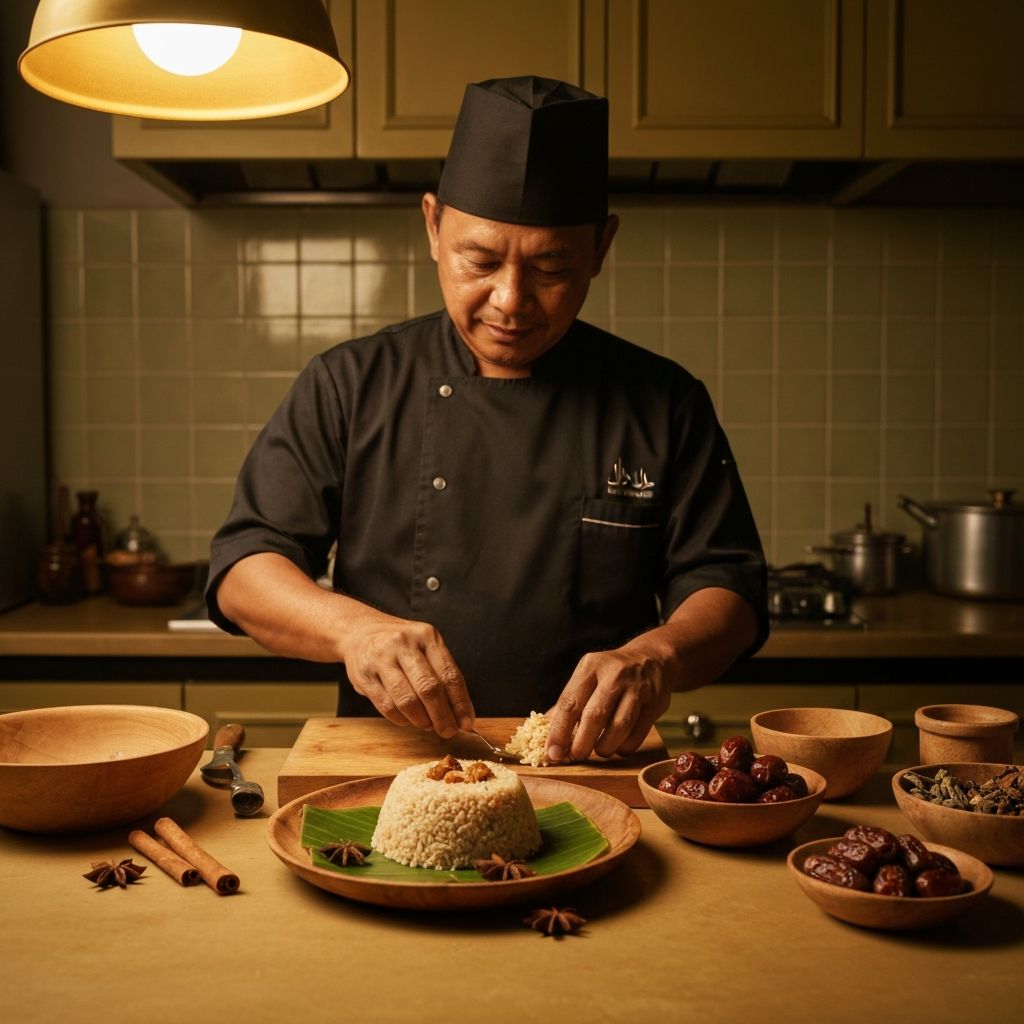
Nasi Kebuli: A traditional Indonesian rice dish prepared with dates, ghee, and spices, often served during special occasions and Ramadan. The practice involves mixing turmeric-infused rice with whole dates, creating a flavorful combination that represents halal culinary tradition. This dish exemplifies how dates are naturally incorporated into staple meals rather than consumed as isolated supplements.
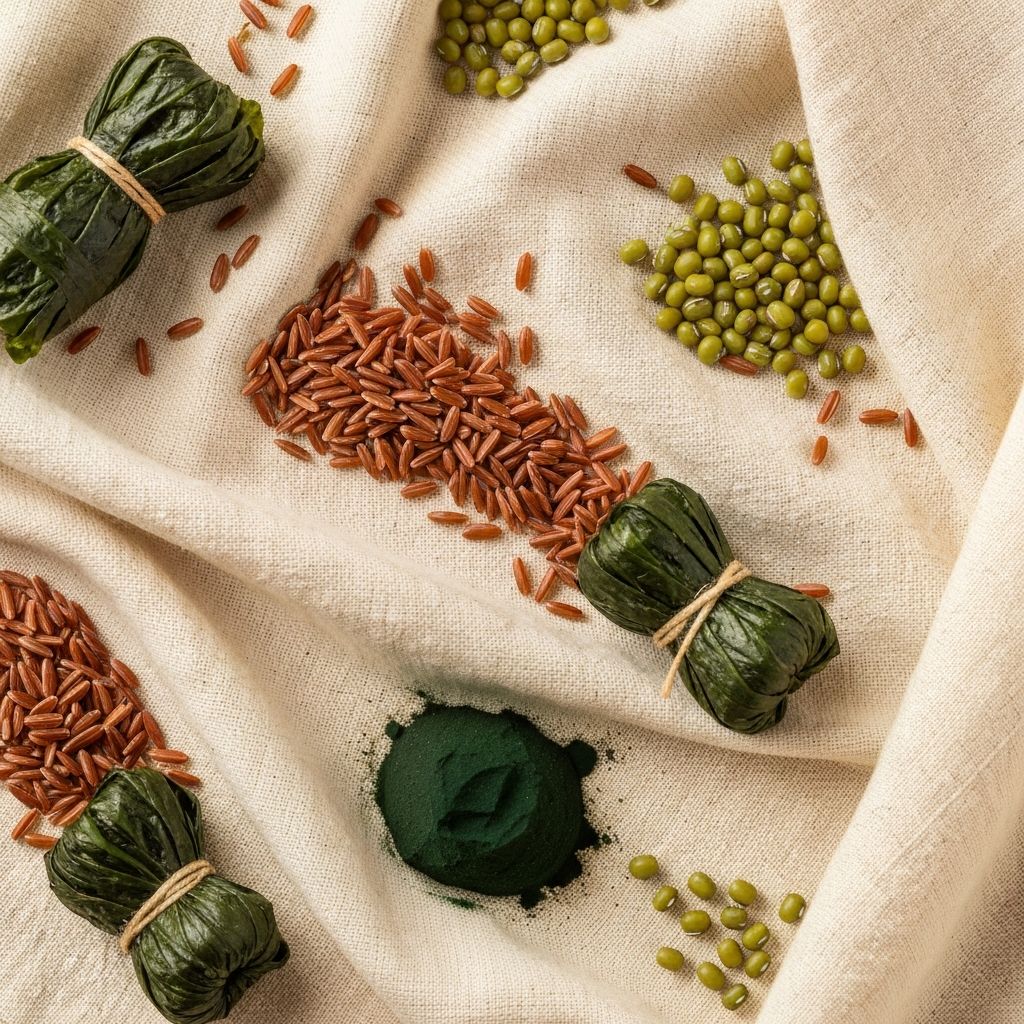
Additional Context: Red rice serves as a traditional grain alternative, sometimes mixed with white rice in everyday cooking. Mung beans are traditionally prepared as bubur sumsum (sweet rice porridge), often sweetened with dates or honey rather than processed sugar.
Herbal Infusions & Spice Blend Traditions
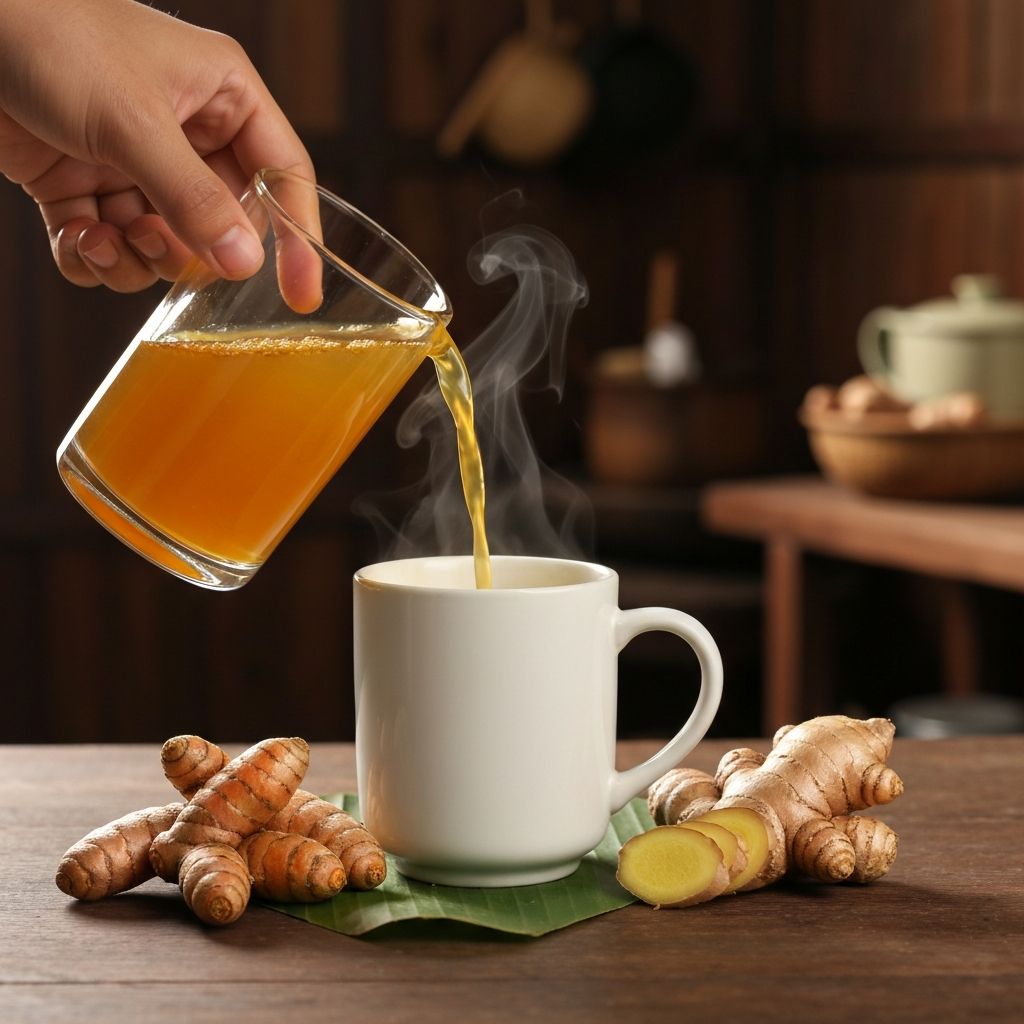
Kunyit Asam: A traditional sour turmeric drink combining fresh or dried turmeric with tamarind (asam), water, and sometimes honey. This represents a common household herbal preparation that has been part of Indonesian culinary culture for generations, prepared fresh at home or purchased as dried spice blends.
Jahe Madu: A warm ginger-honey infusion, traditionally prepared by steeping fresh ginger slices in hot water and sweetening with honey. These beverages exemplify how plant-based ingredients are integrated into daily routines as part of traditional eating practices—not as medical interventions, but as cultural meal components.
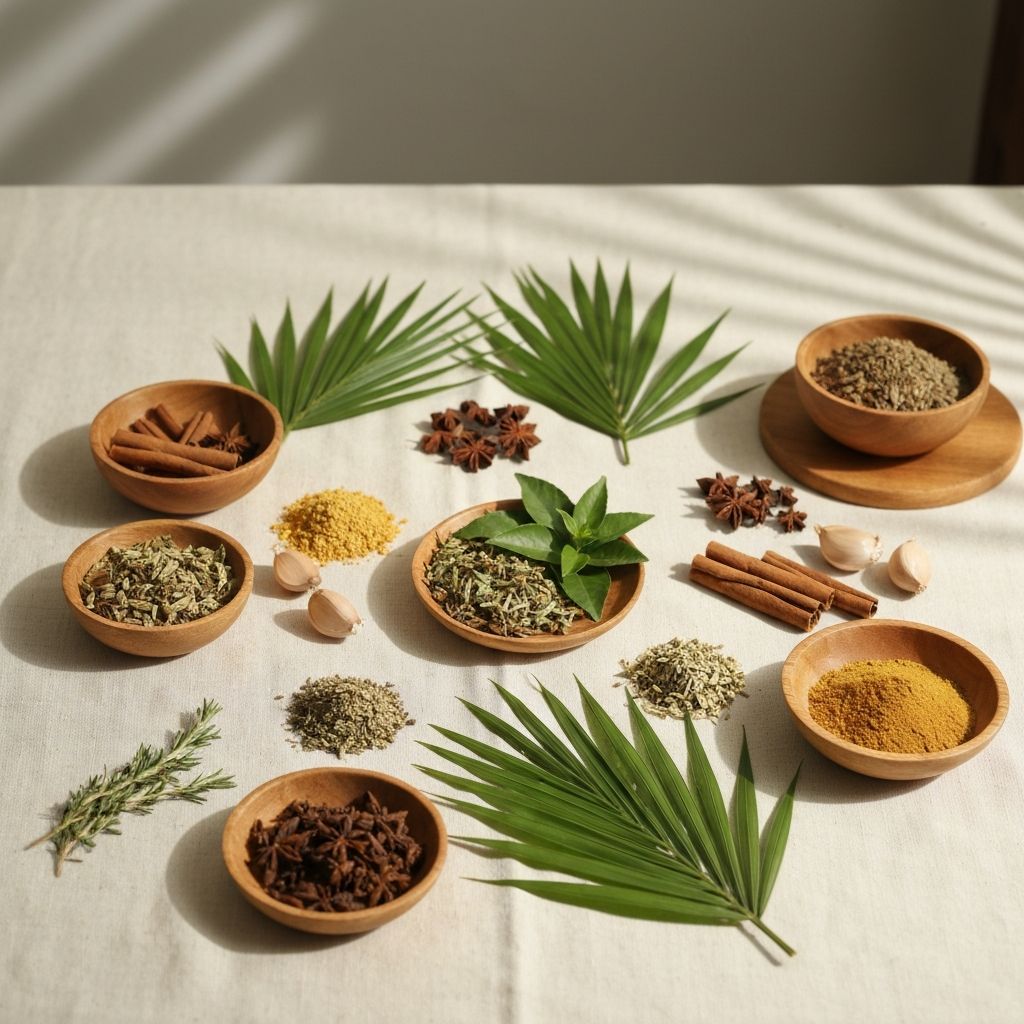
Spice Blends: Turmeric, ginger, and other halal-certified spices form the flavor foundation of traditional gulai (stew), rendang (rich coconut-based dish), and other everyday curries prepared throughout Indonesia.
Traditional halal meal integration represents centuries of Indonesian culinary wisdom, combining plant-based ingredients with cultural practice and family nutrition customs.
Culinary Context: These descriptions present traditional meal preparation practices and ingredient integration. They are not recipes, dietary recommendations, or wellness claims. Prepare and consume foods according to personal preference and dietary practices.
MUI Halal Certification Overview for Natural Foods
Understanding Halal Certification in Indonesia
MUI Standards: The Majelis Ulama Indonesia (MUI) is Indonesia's Islamic scholarly council responsible for issuing halal certification. MUI-certified products meet Islamic dietary standards (syariah compliant), ensuring ingredients are processed according to Islamic principles. For plant-based foods, certification confirms that products are grown, processed, and handled without non-halal contamination.
Certified Producers: Major Indonesian producers of moringa, turmeric, ginger, dates, honey, and other plant sources carry MUI certification. This certification is widely recognized and serves as a consumer assurance mark across Indonesia and internationally within Muslim-majority markets.
Regional Distribution: Certified plant-based ingredients are available through traditional markets (pasar), modern supermarkets, and specialized halal food suppliers across Java, Sumatra, Sulawesi, and other Indonesian regions. Availability varies seasonally for fresh produce and year-round for processed or dried forms.
Regulatory Context: MUI certification indicates compliance with halal standards. This section provides informational overview only and does not constitute certification guidance or regulatory advice.
Frequently Asked Questions
What is the purpose of this website?
+
Halara is an educational knowledge collection exploring halal-certified plant-based ingredients in everyday Indonesian nutrition. The site provides informational content about natural plant sources, their traditional integration into meals, and halal certification context—without making health claims, recommendations, or personal guidance.
Are these ingredients recommended for any specific purpose?
+
No. This website explains the general role of nutrients in normal metabolic processes and describes traditional uses of halal-certified ingredients in Indonesian meal practices. Content is educational and informational only—not personalized recommendations or wellness claims. Individual dietary choices should be made according to personal preference, cultural practice, and consultation with qualified professionals if needed.
What does halal certification mean for plant-based foods?
+
Halal certification (in Indonesia, via MUI) indicates that plant-based foods are processed according to Islamic dietary standards without non-halal contamination. For plant sources, certification confirms that growing, processing, packaging, and handling comply with halal principles. This is a regulatory and religious assurance mark, not a health or quality claim.
Are these ingredients available year-round?
+
Availability varies by ingredient and form. Fresh moringa, turmeric, and ginger are most abundant during wet seasons but available in dried or processed forms year-round. Dates are typically imported and available through certified suppliers. Honey production follows seasonal patterns. Regional availability across Java, Sumatra, and Sulawesi differs based on local growing seasons and supply infrastructure.
How are these ingredients traditionally prepared?
+
Traditional preparations include: fresh moringa leaves in soups and herbal drinks; turmeric and ginger in curry pastes, rendang, and herbal infusions; dates in nasi kebuli and herbal preparations; black seed in spice blends and traditional wellness infusions; honey as a sweetener in herbal drinks. These represent cultural meal practices developed over generations in Indonesian kitchens.
Where can I find halal-certified versions of these ingredients?
+
Halal-certified plant-based ingredients are available through traditional markets (pasar), modern supermarkets, and specialized halal food suppliers across Indonesia. Look for MUI certification marks on product packaging. Larger cities typically have broader selections, but most ingredients are accessible in regional areas through local suppliers or seasonal market vendors.
What is the role of nutrients in the body?
+
Vitamins and minerals support normal human metabolic functions—including energy production, cellular repair, enzyme activity, bone structure, and blood function. Plant-based sources naturally contain these nutrients. This website explains which nutrients are generally present in halal-certified Indonesian plant foods. For personalized nutritional guidance, consult qualified professionals.
Is this website providing nutritional or medical advice?
+
No. Halara provides educational and informational content only. Content does not constitute medical guidance, nutritional recommendations, or health claims. Individual dietary practices, food tolerance, and health circumstances vary significantly. Any questions about personal nutrition or health should be directed to qualified healthcare professionals.
How is halal certification regulated in Indonesia?
+
The Majelis Ulama Indonesia (MUI) is the primary halal certification body in Indonesia. Certification ensures compliance with Islamic dietary standards. For plant-based foods, this involves verifying that ingredients are grown, processed, and handled without non-halal contamination. Certification status is displayed on product packaging via official MUI marks.
What are the differences between fresh and dried forms of these ingredients?
+
Fresh moringa, turmeric, and ginger offer immediate availability and are used in traditional preparations requiring fresh flavor profiles. Dried forms have extended shelf life and are available year-round. Nutrient density differs slightly between forms due to water content reduction in drying. Both fresh and dried versions are incorporated into traditional Indonesian meal practices depending on availability and culinary preference.
How does regional variation affect ingredient availability in Indonesia?
+
Java, Sumatra, and Sulawesi have established agricultural and supply infrastructures for traditional plant-based ingredients. Growing conditions, local farming traditions, and seasonal patterns vary by region. Urban centers have broader ingredient selection, while regional areas typically access local harvest or preserved forms. Halal-certified suppliers operate across regions, though product variety may differ based on local supply.
Scope Clarification: These FAQs provide educational information about halal-certified ingredients and their traditional integration into Indonesian meals. They do not constitute medical advice or personalized recommendations. Content explains existing culinary practices, not health outcomes or wellness benefits.
Regional Availability of Halal Plant Foods Across Indonesia
Halal-certified plant-based ingredients vary in availability and seasonal prominence across Indonesia's major agricultural regions.
Region
Primary Seasonal Availability
Key Ingredients
Java (Central & East)
Year-round with seasonal peaks; Wet season (Nov-Mar): peak for fresh produce
Moringa, turmeric, ginger, red rice, mung beans, traditional market access
Sumatra (West & North)
Wet season (Sep-Feb): fresh herbs; Dry season: processed forms
Year-round with regional variation; Peak: Jul-Sep for certain crops
Local plant varieties, seaweed/spirulina sources, halal-certified processing
Jakarta (Urban Hub)
Year-round from multiple regional suppliers and international sources
All primary ingredients, certified brands, specialty halal food retailers
Bali & Eastern Islands
Tropical year-round growing; seasonal market peaks vary
Local spice blends, seaweed varieties, coconut-based products, halal markets
Seasonal Supply Patterns & Market Access
Traditional agricultural calendars in Java, Sumatra, and Sulawesi follow monsoon seasons (wet: Nov-Mar; dry: Apr-Oct), influencing fresh ingredient availability. Rainy season brings peak moringa, turmeric, and ginger growth. Dry season sees harvest culmination and processing of dried forms for year-round supply. Urban markets (Jakarta, Surabaya, Medan) maintain year-round inventory from regional farmers and halal-certified producers. Traditional pasar (markets) remain the primary source for fresh, seasonal ingredients, while modern supermarkets offer certified packaged versions.
Information Nature: Regional availability data is informational and based on typical agricultural patterns. Actual availability depends on specific local conditions, harvest outcomes, and supplier operations. Check with local markets and certified suppliers for current ingredient availability.
Halal-certified plant-based ingredients represent centuries of Indonesian culinary tradition, agricultural practice, and cultural wisdom. Understanding their presence in everyday meals offers insight into how natural plant sources integrate with daily nutrition customs.
This website serves as an educational resource for learning about these ingredients and their traditional integration into Indonesian halal meal practices. For personal dietary guidance or health questions, consult qualified professionals.
Continue Exploring Halal-Certified Plant Sources
Use the links below or navigation above to explore specific ingredients, traditional meal integration, certification context, and regional availability across Indonesia.
Contact & Information Updates
Subscribe for educational updates about halal-certified plant-based ingredients and traditional Indonesian nutrition practices.
Thank you for your interest. Updates will be sent to your email.
Direct Contact Information
Address
Jl. KH Mas Mansyur No. 121 Tanah Abang, Jakarta Pusat 10240, Indonesia
Cookie Consent Notice: Only essential cookies required for basic site functionality are used. Learn More
Privacy Policy
Halara respects your privacy. This website collects minimal information. The newsletter subscription form requests only your first name and email address for sending educational updates about halal-certified plant-based ingredients. Your information is not shared with third parties, sold, or used for marketing purposes beyond these educational updates.
Data Collection
Essential cookies are used only to maintain basic website functionality (session persistence, user preferences). No tracking cookies are employed. Consent status is stored locally on your device.
Newsletter Subscription
Email addresses submitted through the newsletter form are used exclusively for sending educational content updates. You may unsubscribe at any time. No automated profiling or personalized tracking occurs.
Third-Party Services
This website uses Google Analytics with consent-based tracking only. Analytics data is aggregated and anonymized. No personal identifiers are shared with Google Analytics unless you provide explicit consent via the cookie banner.
Contact & Rights
For privacy questions or requests to delete your information, contact: [email protected]
Last Updated: February 2026
Terms of Service
Acceptance of Terms
By accessing and using the Halara website, you accept and agree to be bound by these Terms of Service. If you do not agree with any part of these terms, please discontinue use of this website.
Educational Purpose Only
Halara is an educational resource providing informational content about halal-certified plant-based ingredients in Indonesian nutrition. Content is not medical advice, nutritional guidance, or health recommendations. All readers are solely responsible for their dietary choices and any health-related decisions.
Content Accuracy
While we strive to provide accurate informational content, Halara makes no warranties regarding the completeness or accuracy of information presented. Nutrient data represents approximate values from general references and may vary based on specific sources, growing conditions, and processing methods.
No Warranties
Halara provides content "as is" without warranties of any kind, express or implied. We do not guarantee specific outcomes, health benefits, or results from consuming ingredients described on this website.
Limitation of Liability
Halara shall not be liable for any direct, indirect, incidental, special, consequential, or punitive damages arising from your use of this website or reliance on its content.
External Links
This website may contain links to external resources. Halara is not responsible for the content or accuracy of external websites and does not endorse all external sources.
Changes to Terms
Halara reserves the right to modify these Terms of Service at any time. Changes will be posted on this page. Continued use of the website indicates acceptance of updated terms.
Last Updated: February 2026
Cookie Policy
What Are Cookies?
Cookies are small text files stored on your device when you visit a website. They help maintain basic functionality and remember your preferences.
Essential Cookies (Always Active)
Halara uses only essential cookies required for basic site functionality:
Session cookies: Maintain your browsing session
Consent cookies: Remember your cookie preference choices
Functionality cookies: Enable form submissions and navigation
Analytics & Tracking
Google Analytics is used for aggregated, anonymized traffic analysis only when you consent. No personal identifiers are tracked without explicit consent. You can disable analytics tracking by selecting "Reject" on the cookie banner.
Third-Party Cookies
Halara does not use third-party marketing or advertising cookies. No data is shared with advertisers or other third parties without your explicit consent.
Managing Cookies
You can manage cookie preferences through:
The cookie banner at the bottom of this page
Your browser's cookie settings (instructions available in your browser's help section)
Clearing your browsing data and cookies
Consent Mode v2
This website implements Google Consent Mode v2, respecting your cookie preferences across Google services. Declining cookies prevents non-essential tracking while maintaining basic site functionality.
Last Updated: February 2026
Health Disclaimer
Educational Purpose Only
The content on this website is provided solely for informational and educational purposes. It does not constitute nutritional advice, medical guidance, health recommendations, or personalized dietary suggestions.
Not Medical Advice
Information about nutrients in plant-based foods is presented for educational understanding of general metabolic processes. It is not intended to diagnose, treat, cure, or prevent any disease or health condition. Do not use this website as a substitute for professional medical or nutritional advice.
Individual Variation
Individual dietary practices, food tolerance, allergies, health conditions, and bodily responses to foods vary significantly from person to person. What is described as traditional practice may not be suitable for all individuals. Always consider your personal health circumstances and consult qualified professionals before making dietary changes.
Halal Certification Context
Halal certification indicates compliance with Islamic dietary standards, not health benefits or medical efficacy. Halal-certified status does not imply health claims, wellness benefits, or therapeutic properties.
Nutrient Information Accuracy
Approximate nutrient levels presented are based on general food composition references and may vary based on growing conditions, harvest timing, processing methods, and specific food sources. These are informational references only, not precise measurements for nutritional calculation.
Professional Consultation
For nutritional guidance, dietary planning, allergy management, or health-related questions, consult qualified healthcare professionals, registered dietitians, or your personal physician. They can provide personalized advice based on your individual circumstances.
No Warranties
Halara makes no warranties regarding health outcomes, nutritional effectiveness, or results from consuming ingredients described on this website. Users assume all responsibility for their dietary choices and health-related decisions.